Hurricane & Storm Damage Help
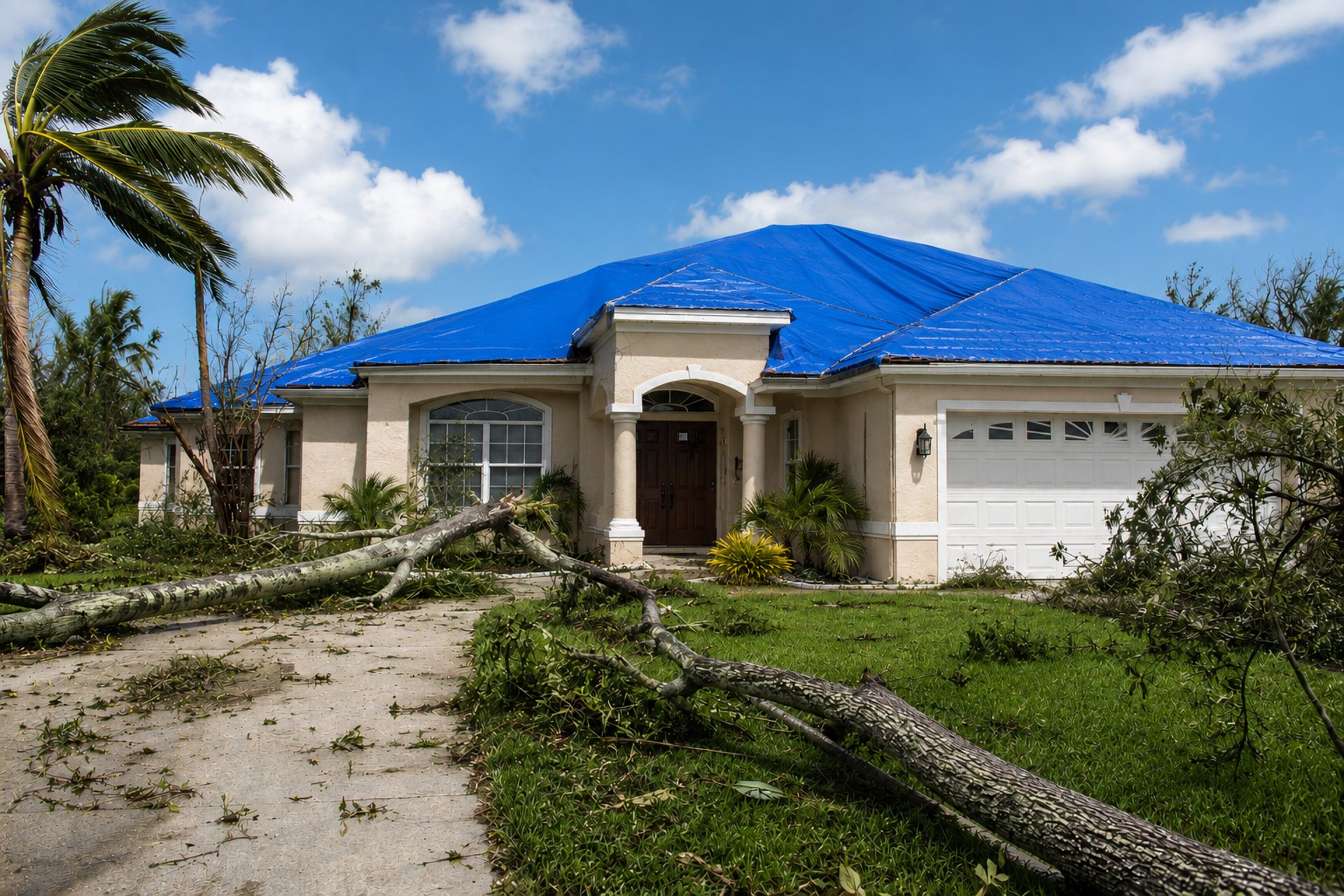
Hurricanes, tropical storms, severe thunderstorms, tornadoes, and high wind events can cause serious damage to homes across Florida, Georgia, and Alabama. Roof failures, fallen trees, flooding, broken windows, and water intrusion often leave homeowners dealing with urgent repair situations and rapidly worsening property conditions.
Fast action after severe storm damage is important to help stabilize the property and reduce additional damage.
Call Now For Emergency Storm Damage Help
Compass Property Rescue helps homeowners dealing with hurricane damage, roof leaks, storm-related flooding, structural concerns, and emergency property stabilization situations throughout the Gulf Coast region.
After major storms, many homeowners are left trying to quickly figure out:
how to stop active roof leaks
what emergency repairs should happen first
how to reduce additional water damage
what to do after fallen tree impacts
how insurance claims typically work
what happens if repairs take weeks or months
Major storm damage situations can quickly become more complicated when emergency issues are delayed.
Hurricanes Can Leave Homes Exposed To Additional Damage
One of the biggest problems after hurricanes and severe storms is that damage often continues after the weather has passed. Damaged roofs, broken windows, exposed structures, and flooding can leave homes vulnerable to ongoing water intrusion and worsening interior damage.
Common hurricane-related property damage includes:
missing shingles
roof punctures
fallen trees
siding damage
broken windows
structural impact damage
attic water intrusion
ceiling leaks
flooding
damaged insulation
collapsed sections of roofing
Even moderate storms can create hidden damage inside roofing systems and wall cavities that may continue worsening over time.
During large regional hurricanes, homeowners are also often dealing with contractor shortages, delayed inspections, insurance processing backlogs, and temporary repair concerns while trying to protect the property from additional loss.
Wind Damage & Fallen Tree Impacts
High winds during hurricanes and severe thunderstorms can damage multiple areas of the home within seconds. Wind-driven debris, tree impacts, and flying materials often create roof openings and structural damage that allow rainwater into the property.
Storm-related wind damage commonly affects:
roofing systems
gutters
siding
windows
porches
fencing
exterior structures
attic spaces
Fallen tree situations can become especially serious when large limbs or entire trees impact the roofline or structural framing of the home.
Many homeowners initially focus on the visible exterior damage, but hidden moisture intrusion inside ceilings, insulation, walls, and flooring can become a much larger restoration issue if emergency protection measures are delayed.
Get Fast Help After Hurricane & Wind Damage
Roof Leaks After Severe Storms
Roof leaks are one of the most common and damaging problems after hurricanes and major storms across the Gulf Coast region.
Once roofing materials become compromised, rainwater can quickly spread through:
ceilings
insulation
drywall
flooring
electrical systems
cabinets
interior framing
Water intrusion after storms may continue for days or weeks if damaged areas remain exposed.
In many situations, homeowners dealing with active roof leaks are also trying to protect furniture, belongings, and interior living spaces while waiting for inspections, mitigation work, and permanent repairs.
Temporary roof tarping and emergency stabilization are often important early steps after severe weather damage.
Emergency Roof Tarping & Temporary Protection
After hurricanes and major storms, emergency roof tarping may help reduce additional interior damage while longer-term repairs are being arranged.
Emergency stabilization measures are commonly used after:
hurricane roof damage
tree impacts
severe wind damage
exposed roofing
active water intrusion
structural openings
Temporary protection can help reduce:
worsening water damage
soaked insulation
ceiling collapse risks
mold concerns
additional repair costs
Storm recovery periods often create high demand for emergency services across affected regions, especially after major hurricanes impacting multiple cities and counties at once.
Fast response becomes especially important when additional storms or rainfall are expected after the original event.
Need Emergency Roof Leak Assistance? Contact Us Today
Flooding & Water Intrusion After Hurricanes
Heavy rainfall, storm surge, overflowing drainage systems, and roof failures can all contribute to serious flooding and interior water damage after hurricanes and severe storms.
Storm-related flooding may affect:
flooring
drywall
cabinets
insulation
electrical systems
personal belongings
crawl spaces
interior living areas
Water damage situations often become more complicated the longer moisture remains trapped inside the property.
Many homeowners are surprised by how quickly water intrusion spreads through walls, ceilings, and flooring materials after even relatively small roof failures.
Large-scale hurricanes can also create regional restoration delays involving inspections, mitigation scheduling, debris removal, contractor availability, and insurance processing throughout affected areas.
Insurance Claims After Hurricane Damage
Major storm damage situations often involve inspections, mitigation work, emergency repairs, repair estimates, documentation requirements, and insurance claim processing.
Homeowners commonly have questions about:
emergency repairs
temporary protection measures
mitigation timelines
inspection scheduling
repair documentation
reconstruction timelines
During major hurricanes and regional storm events, insurance systems and contractor availability may become overwhelmed across large geographic areas.
Fast mitigation and proper documentation are often important parts of reducing additional damage and keeping repairs moving forward during the restoration process.
Hurricane Damage Situations Create Temporary Housing Challenges
Major hurricane damage sometimes leaves homes temporarily unsafe or difficult to live in during repairs.
This can happen after:
extensive roof failures
major flooding
structural damage
severe interior demolition
long-term rebuilding projects
major mold remediation
While hotels are commonly used immediately after major storm losses, extended repair timelines can quickly become difficult depending on family size, pets, work schedules, school routines, insurance coverage, and the overall severity of the damage.
Some homeowners choose temporary RV housing placed on their property during major reconstruction projects. This can help families remain close to contractors, schools, work, pets, and personal belongings while repairs are completed.
Additional Living Expense (ALE) coverage through a homeowner’s insurance policy may help cover temporary housing costs in qualifying situations.
Compass Property Rescue understands the broader challenges homeowners face after severe storm damage and has resources available for homeowners dealing with temporary housing needs during major restoration projects.
Frequently Asked Questions
What should I do immediately after hurricane damage?
Safety comes first after severe storms. Avoid areas involving structural instability, flooding, electrical hazards, or active roof leaks. Emergency mitigation and temporary protection measures should happen as quickly as possible after major damage.
How quickly should roof tarping happen after storm damage?
Roof tarping should usually happen immediately after significant roof damage to help reduce additional rainwater intrusion and worsening interior damage.
Can storm damage continue getting worse after the weather passes?
Yes. Roof leaks, flooding, and exposed structural areas can continue allowing water intrusion and additional interior damage long after the original storm ends.
Does homeowners insurance usually cover hurricane damage?
Coverage depends on the policy and the specific loss situation. Many hurricane damage claims involve inspections, mitigation work, temporary repairs, and restoration documentation.
Can hurricane repairs take several months?
Yes. Large regional storm events can create extended repair timelines involving inspections, permitting, contractor scheduling, material delays, and insurance processing.
Get Fast Help After Hurricane & Storm Damage
Major storm damage situations can worsen quickly after hurricanes and severe weather. Fast emergency action helps stabilize the property, reduce additional damage, and begin the recovery process sooner.