Fire & Smoke Damage Help
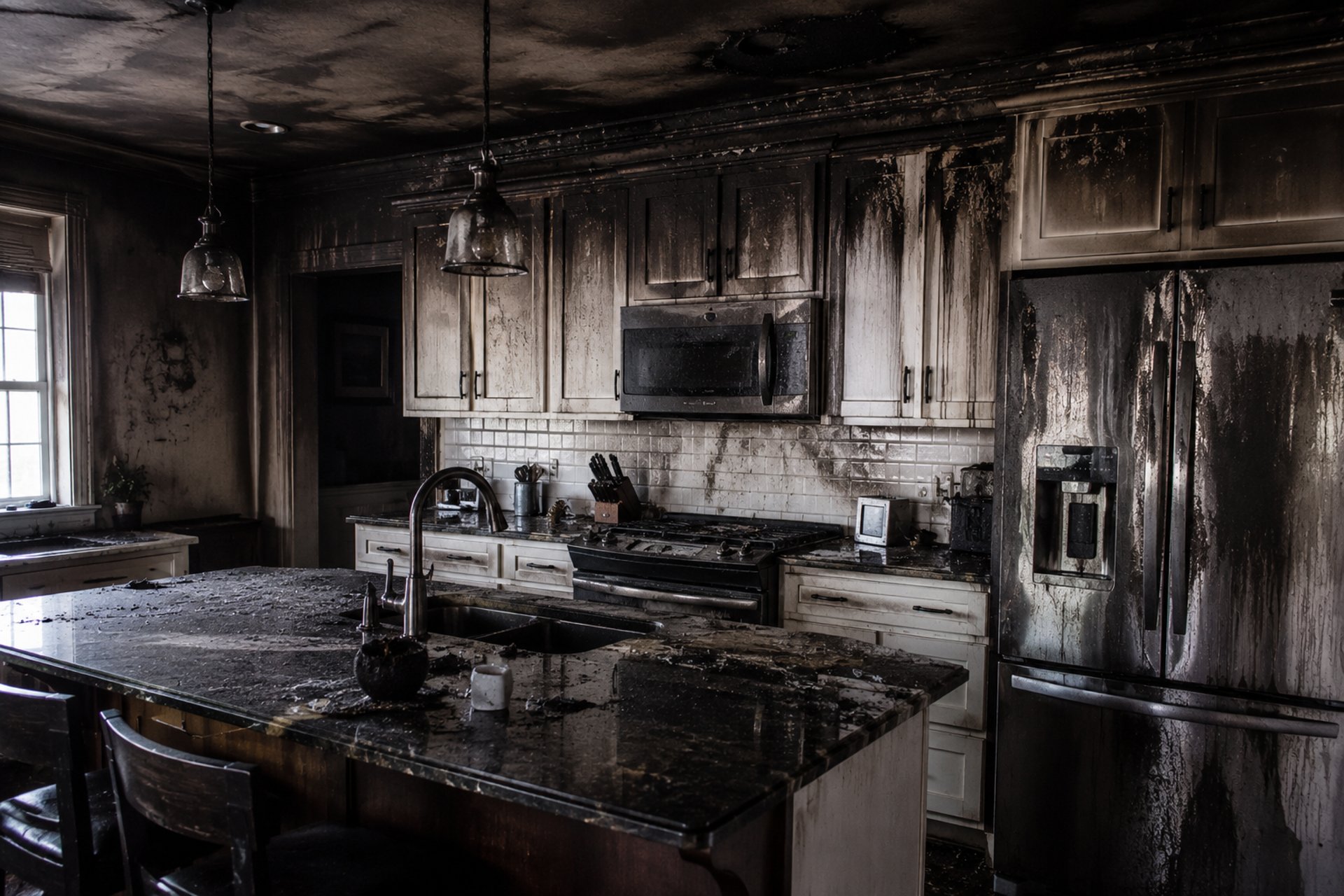
House fires can leave homes dealing with structural damage, smoke contamination, soot damage, water intrusion from firefighting efforts, and major reconstruction needs. Even smaller fires can create serious cleanup and restoration situations throughout the property.
Fast action after fire damage helps stabilize the home, reduce additional damage, and begin the recovery process sooner.
Call Now For Emergency Fire Damage Help
Compass Property Rescue helps homeowners dealing with fire damage, smoke damage, soot contamination, water damage after fire suppression, and major property restoration situations across Florida, Georgia, and Alabama.
Homeowners facing fire damage are often trying to quickly determine:
what steps should happen first
whether the property is still safe
how smoke and soot affect the home
what emergency stabilization may be needed
how insurance claims typically work
what happens if repairs take months
Fire damage situations often involve multiple phases of cleanup, demolition, inspections, and reconstruction before the property is fully restored.
Fire Damage Often Extends Beyond The Burned Area
Many homeowners are surprised by how far fire-related damage can spread throughout the property. Even fires contained to one portion of the home may still create:
smoke contamination
soot damage
water intrusion
damaged insulation
structural concerns
electrical hazards
HVAC contamination
lingering odors
ceiling and wall damage
Smoke and soot particles can travel throughout the home and settle inside vents, insulation, walls, cabinets, flooring materials, and personal belongings.
In many situations, portions of the property unaffected by direct flames may still require extensive cleaning, demolition, or restoration work.
Smoke & Soot Damage Can Become Widespread
Smoke and soot often continue affecting the property long after the fire has been extinguished. Common smoke-related issues include:
staining
odor penetration
residue buildup
damaged walls and ceilings
contaminated HVAC systems
damaged furniture and belongings
lingering smoke odors throughout living spaces
Soot residue may spread into multiple rooms through airflow systems and open areas of the home during and after the fire event.
The longer smoke and soot contamination remain untreated, the more difficult restoration and cleanup situations may become.
Get Fast Help After Fire & Smoke Damage
Water Damage After Fire Suppression
Water damage is extremely common after house fires due to firefighting and suppression efforts. Fire-related water damage may involve:
soaked flooring
ceiling leaks
saturated drywall
damaged insulation
standing water
moisture trapped inside walls
damaged cabinets
electrical hazards
Many fire damage situations become combined fire-and-water restoration projects involving both demolition and emergency drying efforts.
Moisture trapped inside building materials can continue creating additional restoration problems long after the fire itself has been extinguished.
Fast mitigation and drying are often important after fire suppression efforts to help reduce additional damage.
Emergency Board-Up & Property Stabilization
After major fires, temporary stabilization measures are often necessary to help protect the property from additional damage and unauthorized access. Emergency stabilization situations may involve:
board-up services
temporary roof protection
securing exposed openings
debris removal
weather protection
temporary structural stabilization
Homes affected by fire damage are often vulnerable to additional water intrusion, weather exposure, and security concerns until temporary protection measures are completed.
Fast emergency response may help reduce additional complications while inspections, mitigation work, and restoration planning are underway.
Need Emergency Fire Damage Assistance? Contact Us Today
Insurance Claims After Fire Damage
Fire damage situations often involve inspections, emergency mitigation, temporary repairs, demolition work, restoration estimates, and insurance claim processing. Homeowners commonly have questions about:
emergency cleanup
temporary stabilization
smoke damage documentation
water mitigation
reconstruction timelines
insurance inspections
temporary living arrangements
Major fire restoration projects may involve multiple contractors, inspections, reconstruction phases, and extended repair timelines depending on the severity of the damage.
Proper documentation and fast mitigation efforts are often important after fire-related property damage situations.
After large losses, homeowners may also face delays involving inspections, contractor scheduling, material availability, and insurance processing timelines during the restoration process.
Some Fire Damage Situations Require Long-Term Reconstruction
Severe house fires sometimes create major rebuilding projects involving:
structural repairs
demolition
smoke remediation
water mitigation
electrical repairs
insulation replacement
framing reconstruction
extended restoration timelines
In some situations, portions of the home may become temporarily unsafe or difficult to occupy during repairs. Long-term fire restoration projects can create major challenges involving work schedules, school routines, pets, insurance claims, and ongoing reconstruction activity inside the home.
Some homeowners choose temporary RV housing placed on their property during major reconstruction projects. This can allow families to remain close to contractors, schools, work, pets, and personal belongings while repairs are completed.
Additional Living Expense (ALE) coverage through a homeowner’s insurance policy may help cover temporary housing costs in qualifying situations.
Compass Property Rescue understands the broader challenges homeowners face after major fire damage and has resources available for homeowners dealing with temporary housing needs during major restoration projects.
Frequently Asked Questions
What should I do immediately after a house fire?
Safety should always come first after fire damage. Homeowners should avoid unsafe structural areas, electrical hazards, smoke exposure, and water-damaged sections of the property until the home has been properly evaluated.
Can smoke damage affect areas far from the fire?
Yes. Smoke and soot can travel throughout the home through airflow systems, wall cavities, vents, and open living spaces even when flames were limited to one area.
Is water damage common after firefighting efforts?
Yes. Many fire damage situations also involve significant water intrusion from suppression efforts, soaked materials, and emergency firefighting activities.
Does homeowners insurance usually cover fire damage?
Coverage depends on the policy and loss situation. Many fire damage claims involve inspections, mitigation work, smoke remediation, demolition, and reconstruction estimates.
Can fire restoration projects take several months?
Yes. Severe fire damage situations often involve extended restoration timelines depending on structural damage, inspections, demolition work, reconstruction needs, contractor scheduling, and insurance processing.
Get Fast Help After Fire & Smoke Damage
Fire damage situations often become more complicated the longer cleanup, mitigation, and stabilization efforts are delayed. Fast action helps begin the restoration and recovery process sooner.